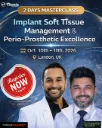
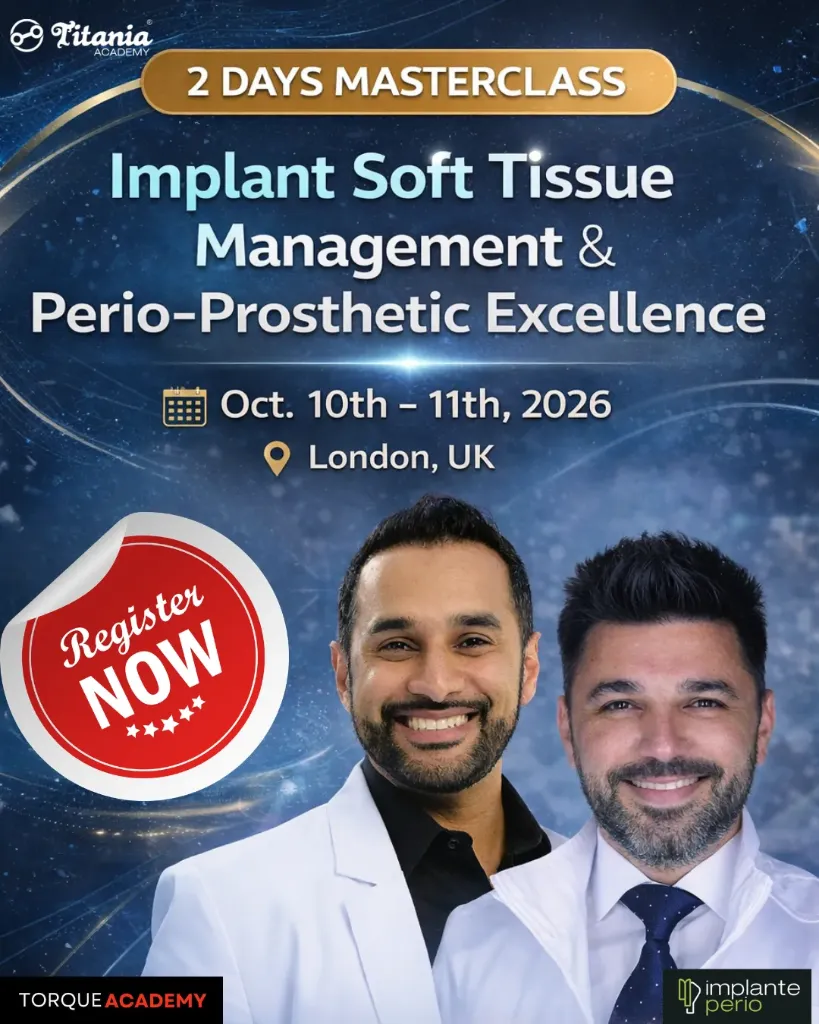
Masterclass: Implant Soft Tissue Management & Perio-Prosthetic Excellence
Masterclass: Implant Soft Tissue Management & Perio-Prosthetic Excellence
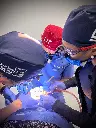
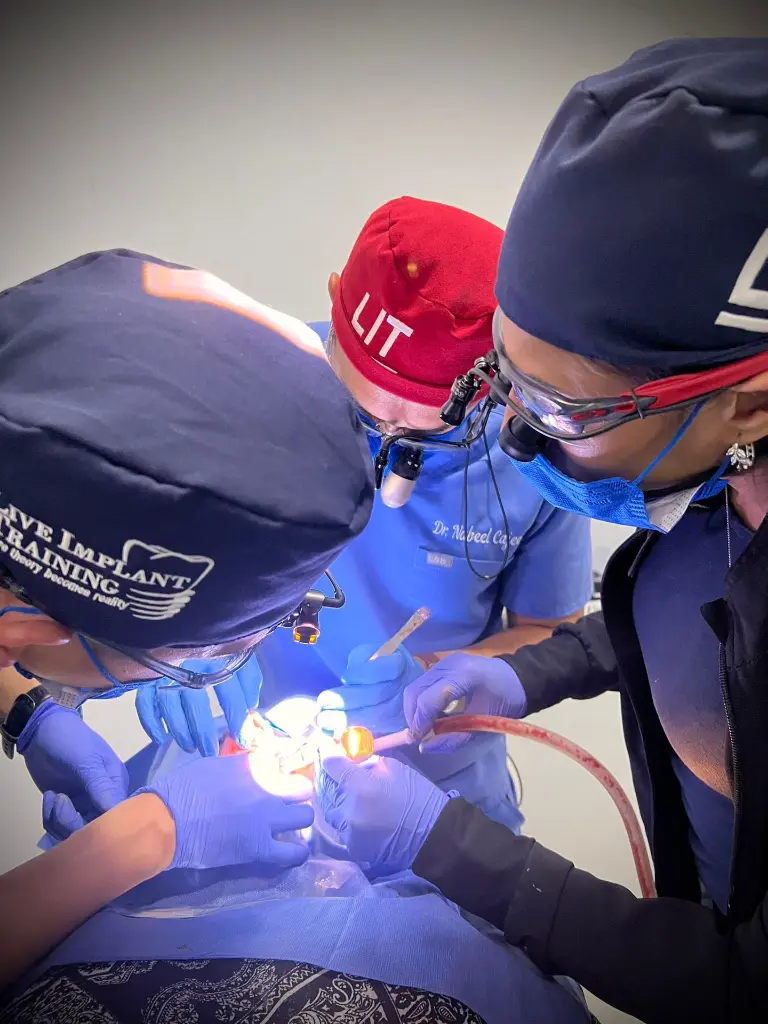
Intensive Hands-On Clinical Training
Oct - 10th to 11th, 2026
London, UK
Language: English
Target Audience: General Dentists, Periodontists, Oral Surgeons, and Dental Implant Practitioners seeking to refine their soft tissue grafting skills around implants.
Course Duration: 2 Days (8:00 AM – 5:00 PM, including breaks and lunch)
Overall Course Philosophy: This intensive two-days programme provides participants with an evidence-based understanding of the critical role of soft tissue around dental implants. Through didactic lectures and hands-on practice on animal models, attendees will learn various surgical techniques to predictably create and maintain healthy, aesthetic peri-implant tissues, ultimately improving long-term implant success.
Course Outline
DAY ONE: THE ARCHITECTURE OF SUCCESS (DIDACTIC)
Focus: The Biological Foundation & Preventative Planning
Session 1: The Perio-Prosthetic Blueprint & Case Staging
- Integrated Treatment Planning: Moving from "implant placement" to "site engineering."
- Staging the Journey: Strategic decision-making on when to graft (Pre-placement, At-placement, or Post-uncovery).
- Prosthetically Driven Positioning: How 3D implant placement dictates soft tissue stability.
- FP1, FP2, FP3 Planning: Managing the transition zone for seamless aesthetics.
Session 2: The Interface — Platforms & Surfaces
- The Biology of the Connection: Comparing conical connections, platform switching, and tissue-level vs. bone-level designs.
- Surface Science: The impact of modern surfaces on transmucosal attachment.
- Abutment Material Selection: Zirconia vs. Titanium in soft tissue health.
Session 3: The Emergence Profile & EBC Concepts
- Evidence-Based Concepts (EBC): Understanding "critical and sub-critical" contours.
- Soft Tissue Sculpting: Using provisionals to guide tissue maturation.
- Biological Width: Defining the supracrestal tissue attachment for long-term health.
Session 4: Soft Tissue Grafting Modalities
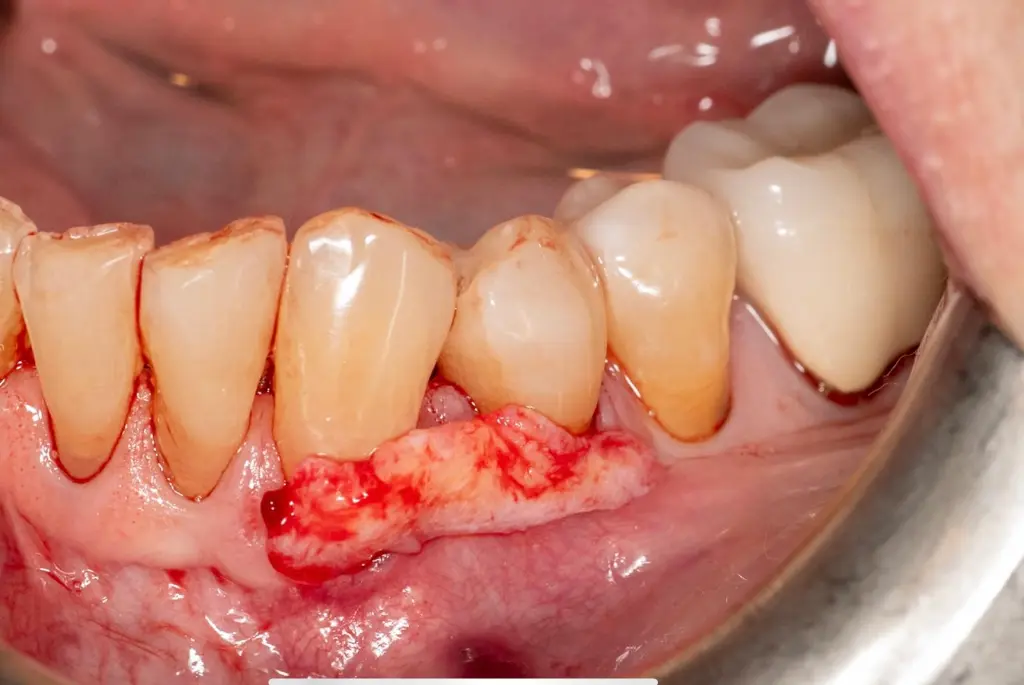
- FGG vs. CTG: Indications for keratinized tissue vs. volume.
- Materials: Autologous vs. Xenogenic (When to go "off-the-shelf").
Session 5: Donor Site Mastery
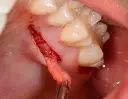
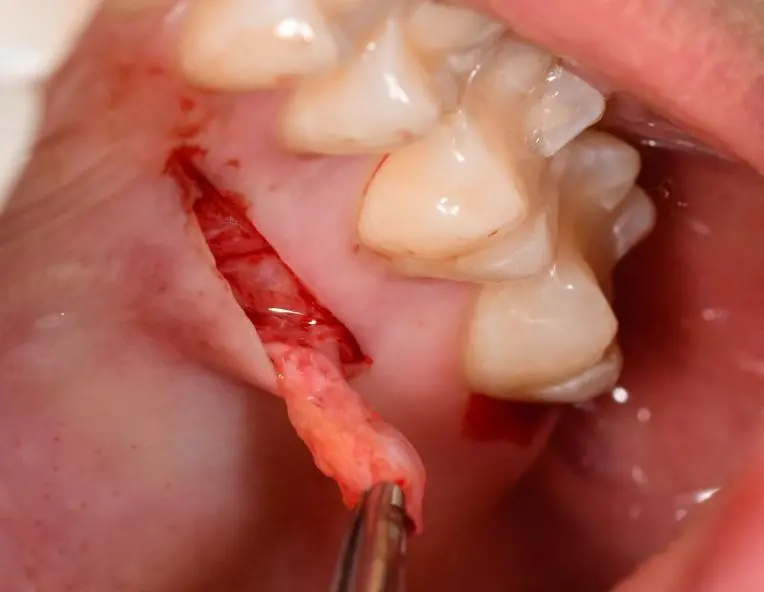
- The Palate: Anatomy, harvesting, and post-op management.
- The Tuberosity: Harvesting dense connective tissue from the "gold mine."
Session 6: Salvage & Management
Corrective Surgery: Strategies for managing recession on restored implants.
The "Perio-Prosth" Rescue: Adjusting prosthetic contours to resolve biological issues.
DAY TWO: THE CLINICAL CRAFT (HANDS-ON LAB)
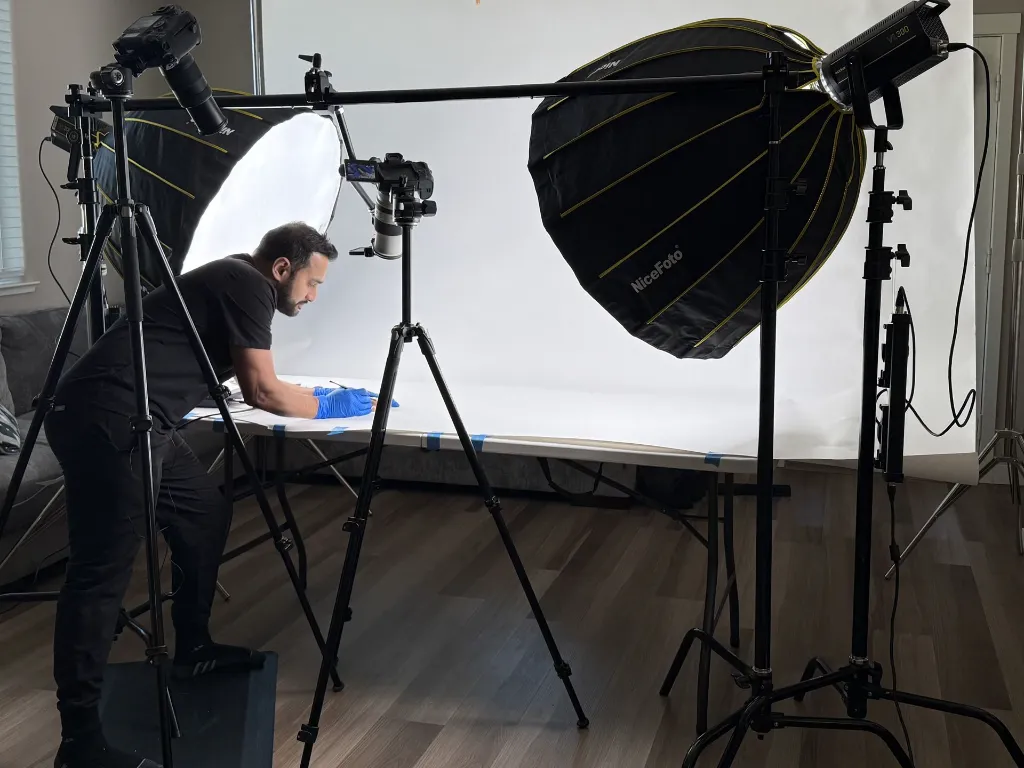
Focus: Precision Techniques on Sheep/Pig Jaw Models
Session 1: The Masterclass in Suturing (Morning Kick-off)
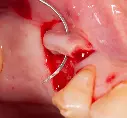
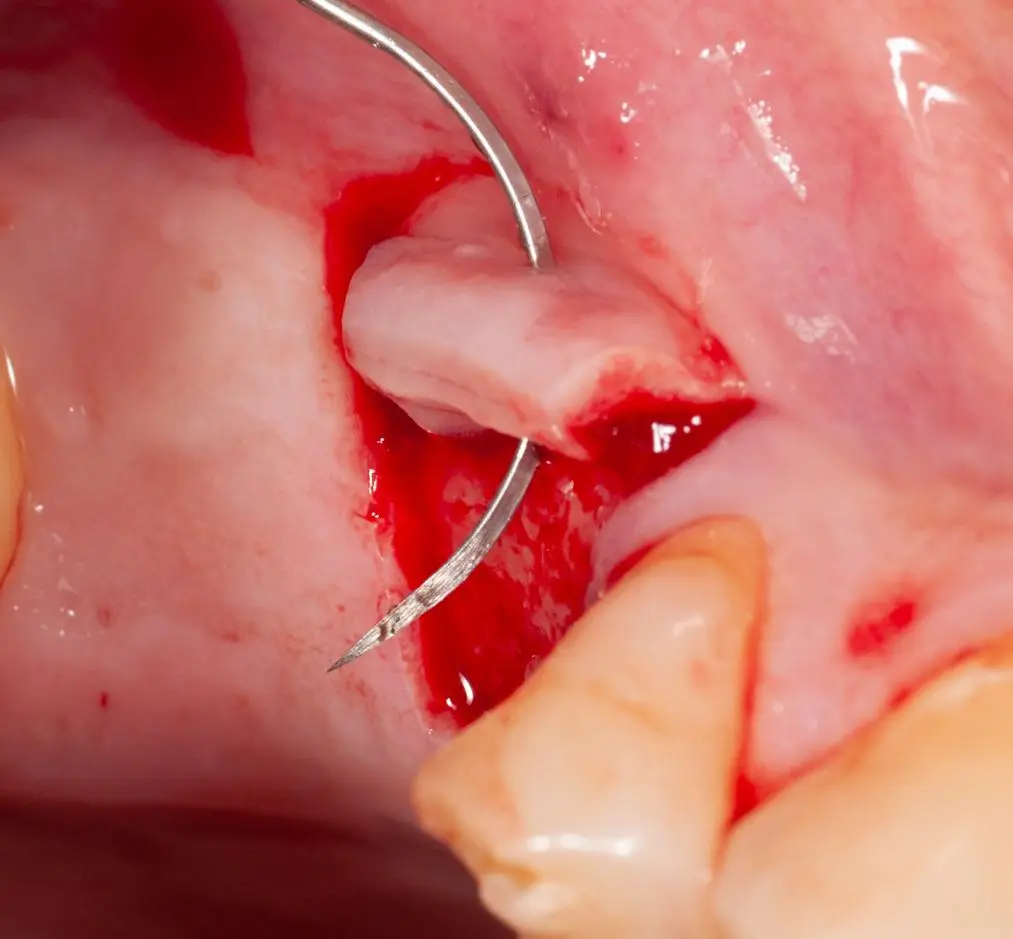
- Compressive Harvest Site Closure: Specialized techniques to ensure primary closure and patient comfort at the donor site (Palate/Tuberosity).
- Graft Securing Sutures: Precision stabilization of CTG and FGG to prevent micro-movement and ensure revascularization.
- Flap Repositioning Sutures: Advanced techniques for Apically Positioned Flaps (APF) and Coronally Advanced Flaps.
Session 2: Donor Site Harvest Workshop
- Palatal Harvest (FGG & CTG): Precision harvesting from the hard palate, focusing on thickness control and neurovascular safety.
- Tuberosity Harvest (CTG): Techniques for obtaining high-density connective tissue with minimal morbidity.
- Graft Preparation: Trimming, thinning, and de-epithelialization protocols for clinical application.
Session 3: Surgical Site Development
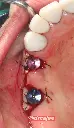
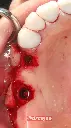
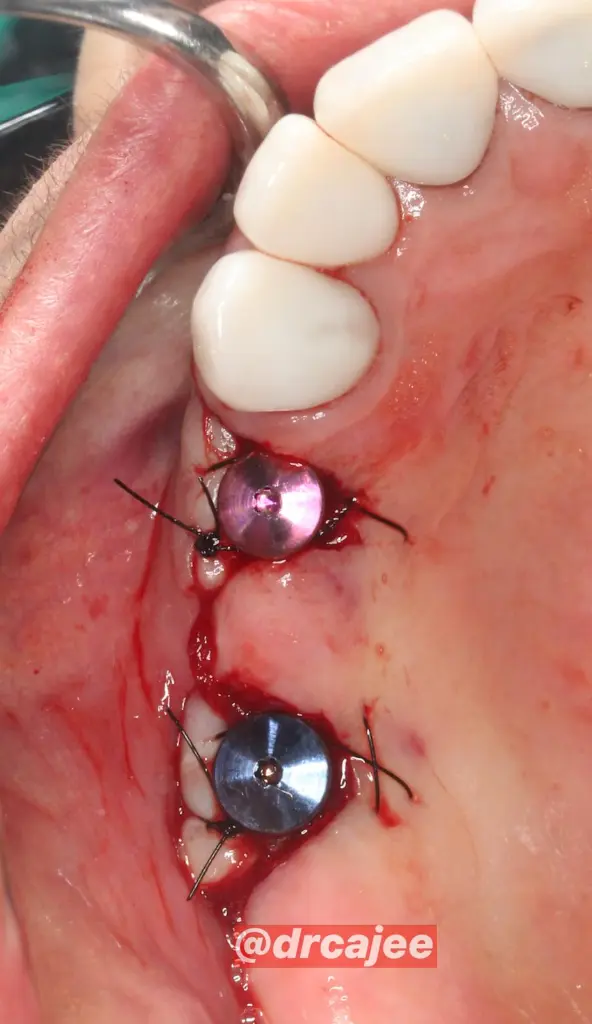
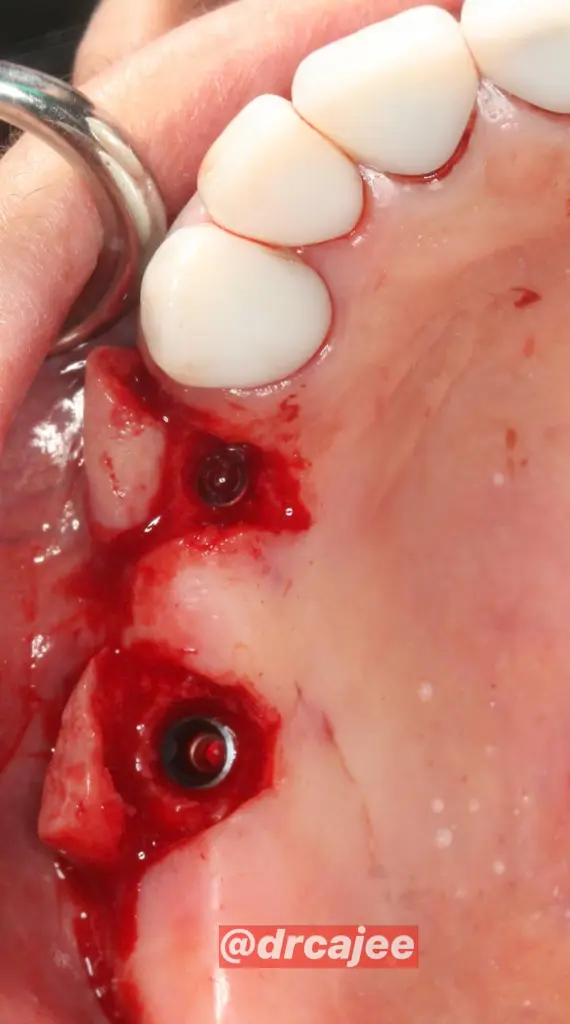
- Implant Placement & Immediate Management: Placement of an implant in a sheep jaw model followed by simultaneous CTG and Bone Grafting.
- EBC Socket Sealing: Design and delivery of a custom socket-sealing healing abutment to maintain ridge architecture.
- FGG Recipient Site Surgery: Preparing the bed and securing the graft for maximum keratinization.
- Connective Tissue (CT) Tunneling: Minimally invasive approach for volume and recession coverage around implants.
Session 4: The Restorative Bridge
- Custom Impression Posts: Capturing the sculpted emergency profile for the laboratory.
- Digital Workflow: Scanning the soft tissue architecture with precision.
- Provisional Modification: Grinding and polishing to optimize tissue flow and emergence.